


[ays_quiz id=”120″]
Class 6 → Social Science → Chapter 4: Timeline and Sources of History
I. Chapter Summary
This chapter introduces students to the concept of history and how we study the past. It explains the importance of timelines in arranging events in chronological order and helps students understand how historians gather information from various sources of history. These sources include archaeological remains, manuscripts, inscriptions, and oral traditions. The chapter builds a foundation for historical thinking and helps students understand how the past shapes the present.
II. Key Concepts Covered
1. What is History?
- Study of past events
- Helps us understand human life, culture, and development
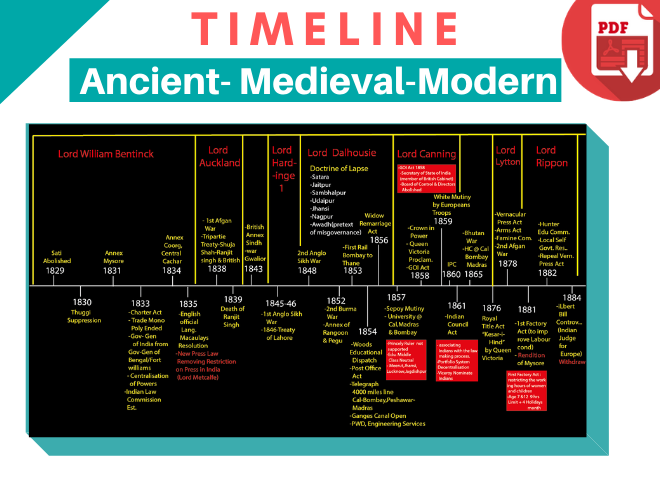
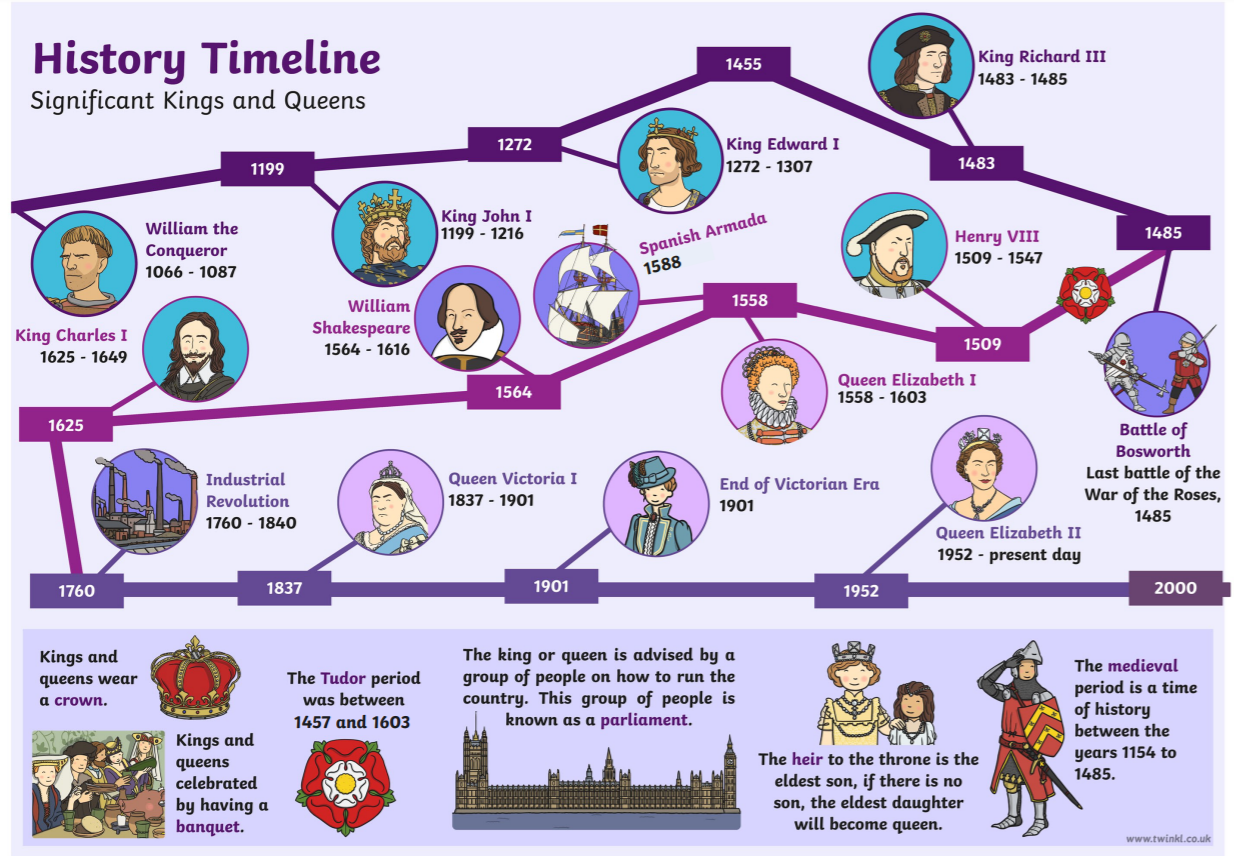
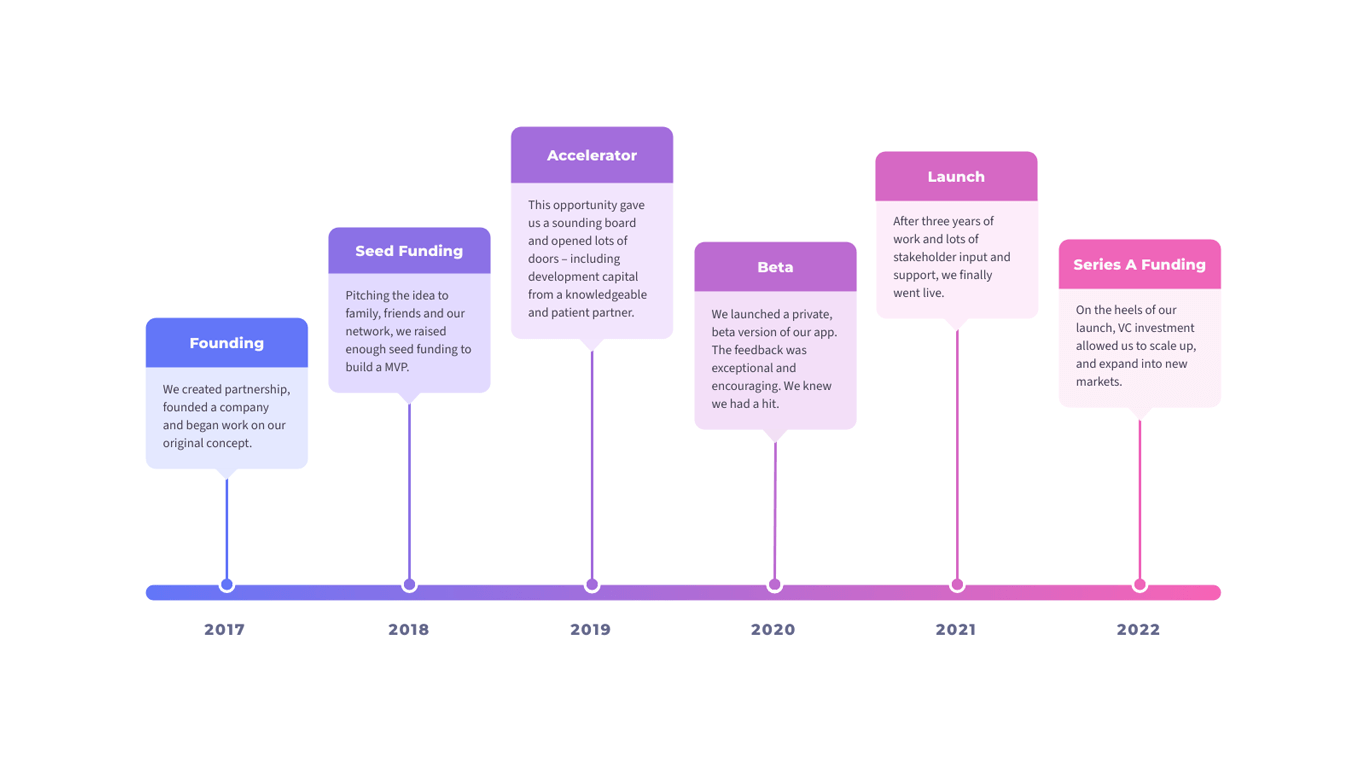
2. Timeline
- A timeline arranges events in chronological order
- Helps in understanding the sequence of events
 4
4
3. Sources of History
Sources provide information about the past.
(a) Archaeological Sources
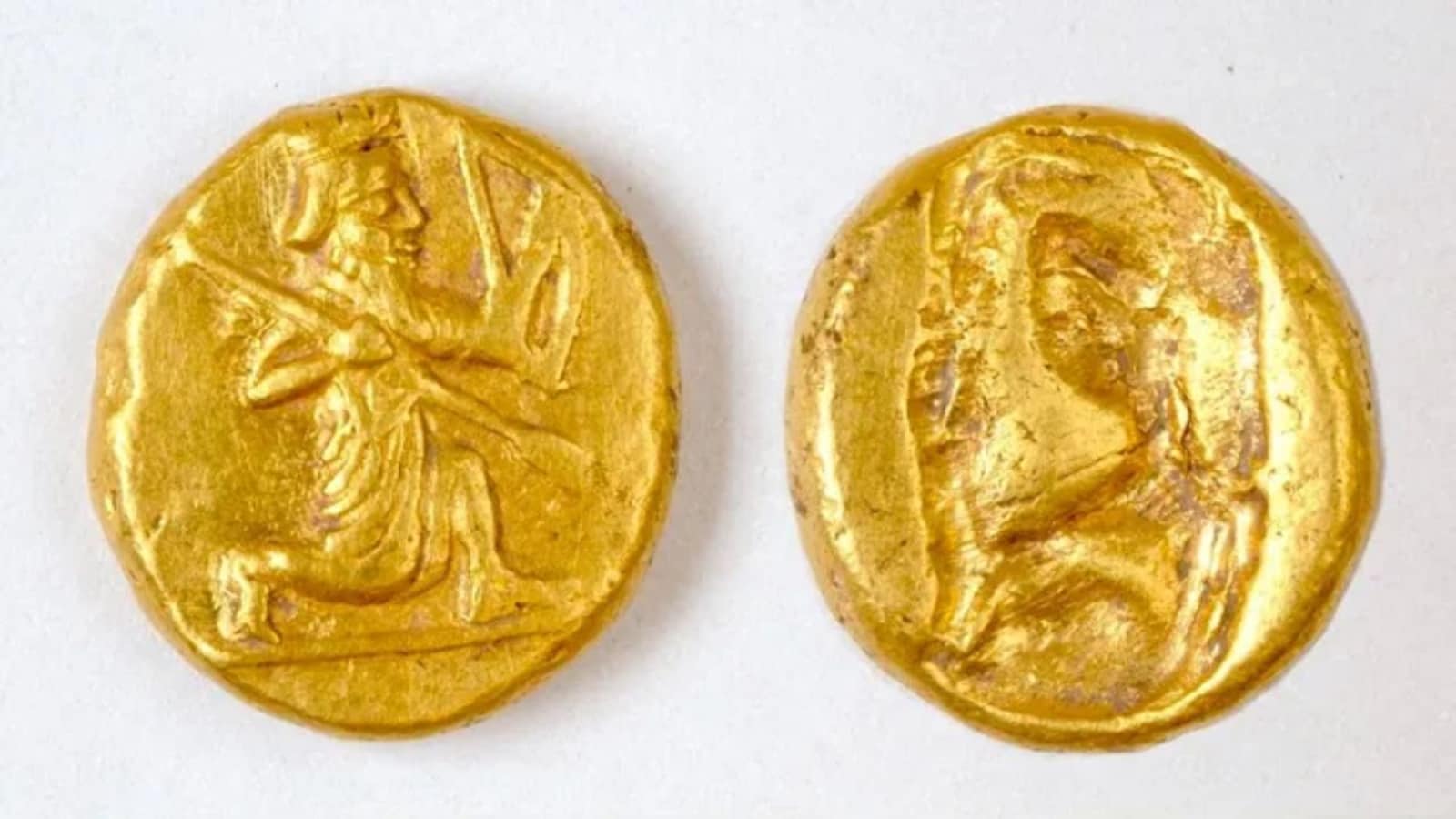
- Tools, pottery, coins, monuments
- Provide physical evidence
(b) Literary Sources
- Manuscripts, books, writings
(c) Oral Sources
- Stories, folk songs, traditions
4. Archaeology
- Study of past through remains
- Excavation helps discover artifacts
5. Inscriptions
- Writings engraved on stone, metal
- Provide reliable historical information
6. Manuscripts
- Handwritten records on palm leaves or paper
7. Dating System
- BCE (Before Common Era)
- CE (Common Era)
- Helps in understanding time periods
III. Important Questions
(A) MCQs (1 Mark)
- A timeline shows:
(a) Places
(b) Events in order of time ✅
(c) People
(d) Maps - Archaeology is the study of:
(a) Future
(b) Present
(c) Past through remains ✅
(d) Weather - Manuscripts are:
(a) Printed books
(b) Handwritten documents ✅
(c) Maps
(d) Coins - BCE stands for:
(a) Before Common Era ✅
(b) Before Current Event
(c) Basic Common Era
(d) None
(B) Short Answer Questions (2/3 Marks)
- What is a timeline?
- What are sources of history?
- What is archaeology?
- Define inscriptions and manuscripts.
(C) Long Answer Questions (5 Marks)
- Explain the different types of sources of history.
- Describe the importance of timelines in history.
- What is archaeology? How does it help us?
- Explain the difference between archaeological and literary sources.
(D) HOTS Questions
- Why are sources important for understanding history?
- Can history be studied without written records? Explain.
IV. Key Formulas/Concepts
Important Definitions
- History: Study of past
- Timeline: Arrangement of events in chronological order
- Archaeology: Study of past through remains
- Manuscripts: Handwritten records
- Inscriptions: Engraved writings
Time Concepts
- BCE → Before Common Era
- CE → Common Era
V. Deleted Portions (CBSE 2025–2026)
No portions have been deleted from this chapter as per the rationalized NCERT textbooks.
VI. Chapter-Wise Marks Bifurcation (Estimated – CBSE 2025–2026)
| Unit/Chapter | Estimated Marks | Type of Questions Typically Asked |
|---|---|---|
| Timeline and Sources of History | 6–8 Marks | MCQs, Short Answer, Case-based |
Note: This is an estimate. Actual marks may vary.
VII. Previous Year Questions (PYQs)
1 Mark
- What is a manuscript? (CBSE 2019)
2/3 Marks
- Define archaeology. (CBSE 2020)
- What are inscriptions? (CBSE 2018)
5 Marks
- Explain sources of history. (CBSE 2022)
- Describe importance of timelines. (CBSE 2021)
VIII. Real-World Application Examples
Sources of History in Real Life

 4
4
- Museums preserve artifacts
- Archaeologists study ancient cities (e.g., Harappa)
- Family stories act as oral history
- Coins and monuments tell about rulers
IX. Student Tips & Strategies for Success
Time Management
- Study topics in small sections
- Revise definitions daily
Exam Preparation
- Focus on key terms (timeline, sources)
- Practice short and long answers
Stress Management
- Use diagrams and charts
- Study with real-life examples
X. Career Guidance & Exploration (Class 6 Level)
- Future career options:
- Historian
- Archaeologist
- Museum curator
- Researcher
- Skills developed:
- Analytical thinking
- Observation skills
- Understanding of past cultures
XI. Important Notes
- Focus on conceptual clarity of sources
- Learn definitions properly
- Revise timelines regularly
- Refer to NCERT textbooks for accuracy
- Practice case-based questions