



Report a question

Class 8 → Science → Chapter: Our Home: Earth, a Unique Life Sustaining Planet (New Course)
I. Chapter Summary
This chapter explains why Earth is the only known planet that supports life. It highlights essential conditions like suitable temperature, presence of water, atmosphere, and sunlight. It also explains Earth’s structure, movements (rotation and revolution), and how these factors create day-night cycles, seasons, and a balanced environment that sustains life.
II. Key Concepts Covered
1. Unique Features of Earth
- Only planet known to support life
- Presence of air, water, land, and suitable temperature
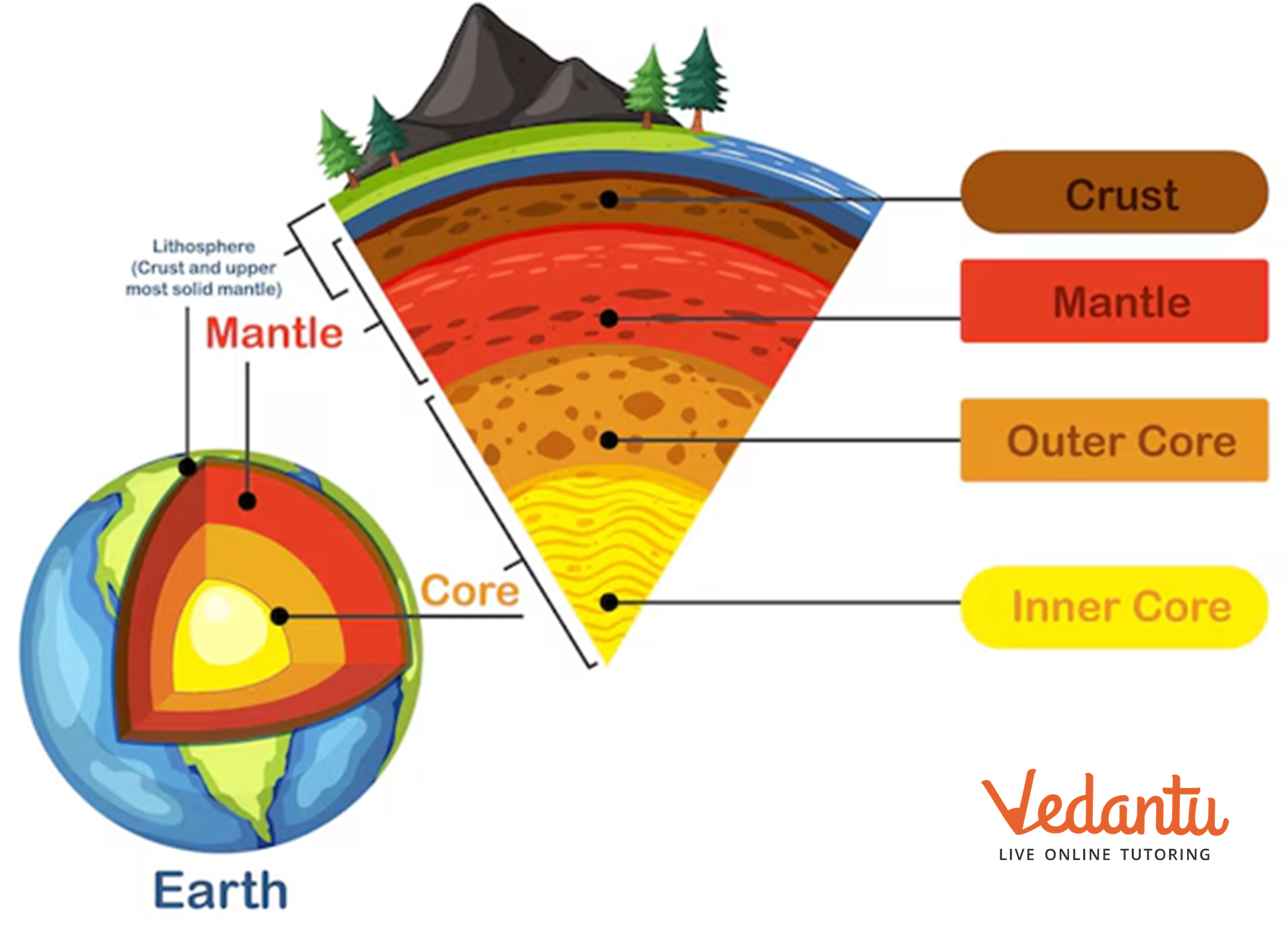
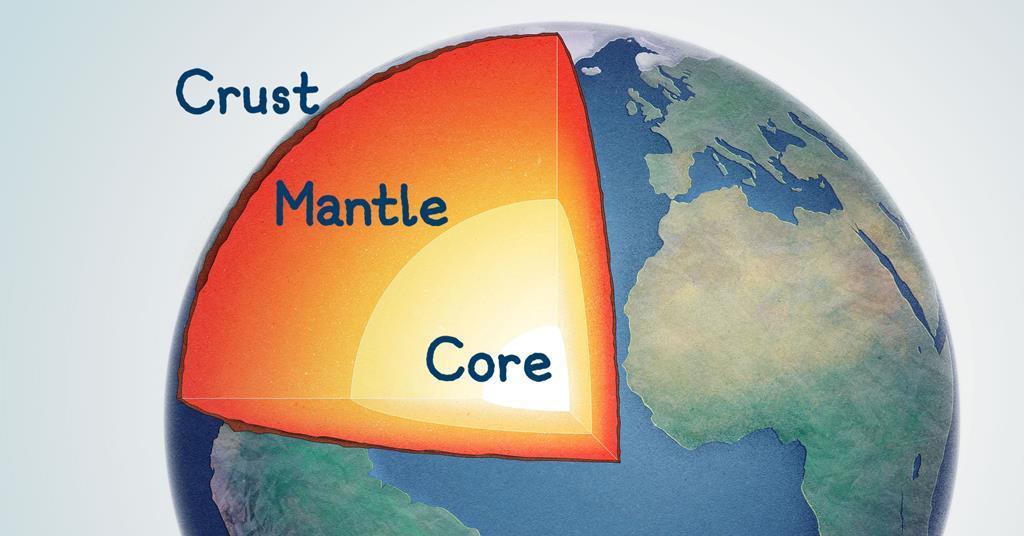
2. Layers of the Earth
- Crust: Outer solid layer where we live
- Mantle: Middle layer with hot molten rocks
- Core: Innermost layer with very high temperature
Earth’s Internal Structure

4
3. Atmosphere
- Layer of gases surrounding Earth
- Contains oxygen for breathing and protects from harmful radiation
Atmosphere Layers


4
4. Hydrosphere
- All water bodies on Earth (oceans, rivers, lakes)
- Essential for life
5. Lithosphere
- Solid landmass of Earth
- Supports human activities
6. Rotation of Earth
- Earth spins on its axis
- Causes day and night
7. Revolution of Earth
- Earth moves around the Sun
- Causes seasons
8. Conditions Necessary for Life
- Air (oxygen)
- Water
- Suitable temperature
- Sunlight
III. Important Questions
(A) MCQs (1 Mark)
- Earth supports life because of:
- (a) Presence of water and air ✅
- (b) High temperature
- (c) No atmosphere
- (d) No sunlight
- The outermost layer of Earth is:
- (a) Core
- (b) Mantle
- (c) Crust ✅
- (d) Inner core
- Rotation of Earth causes:
- (a) Seasons
- (b) Day and night ✅
- (c) Rainfall
- (d) Wind
- Hydrosphere includes:
- (a) Air
- (b) Land
- (c) Water bodies ✅
- (d) Mountains
(B) Short Answer Questions (2/3 Marks)
- Why is Earth called a life-supporting planet?
- Name the three layers of Earth.
- What is atmosphere? Why is it important?
- Differentiate between rotation and revolution.
(C) Long Answer Questions (5 Marks)
- Explain the structure of Earth with diagram.
- Describe the importance of atmosphere in sustaining life.
- Explain how rotation and revolution affect life on Earth.
- Discuss conditions necessary for life on Earth.
(D) HOTS (Higher Order Thinking Skills)
- Why is life not possible on planets without atmosphere?
- What would happen if Earth stopped revolving around the Sun?
IV. Key Formulas / Concepts
- Rotation Time = 24 hours
- Revolution Time = 365 days
- Concept:
- Day & Night → Rotation
- Seasons → Revolution
V. Deleted Portions (CBSE 2025–2026)
- Detailed geophysical studies of Earth’s interior
- Advanced atmospheric chemistry
- Complex astronomical calculations
(Refer NCERT official website for latest updates)
VI. Chapter-Wise Marks Bifurcation (Estimated – CBSE 2025–2026)
| Unit/Chapter | Estimated Marks | Type of Questions Typically Asked |
|---|---|---|
| Our Home: Earth | 5–7 Marks | MCQs, Short Answer, Diagram-based |
Note: This is an estimate. Actual marks may vary.
VII. Previous Year Questions (PYQs)
1 Mark
- Define lithosphere. (2020)
2/3 Marks
- What is atmosphere? (2021)
- Name layers of Earth. (2019)
5 Marks
- Explain Earth’s structure. (2018)
- Describe importance of water on Earth. (2022)
VIII. Real-World Application Examples
- Weather changes → Due to atmosphere
- Agriculture → Depends on seasons
- Drinking water → Hydrosphere importance
- Living conditions → Balanced temperature
- Natural resources → From lithosphere
IX. Student Tips & Strategies for Success (Class 8)
Time Management
- Study diagrams regularly
- Revise short notes daily
Exam Preparation
- Practice diagrams of Earth layers
- Focus on definitions and concepts
Stress Management
- Maintain proper study schedule
- Take regular breaks
X. Career Guidance & Exploration (Class 8)
- Builds foundation for:
- Geography
- Environmental Science
- Earth Science
- Future Careers:
- Geologist
- Environmental Scientist
- Meteorologist
XI. Important Notes
- Focus on concept clarity and diagrams
- Revise regularly
- Practice writing answers
- Refer NCERT textbooks first
- Stay updated with CBSE guidelines